
Different Measurements of Weed
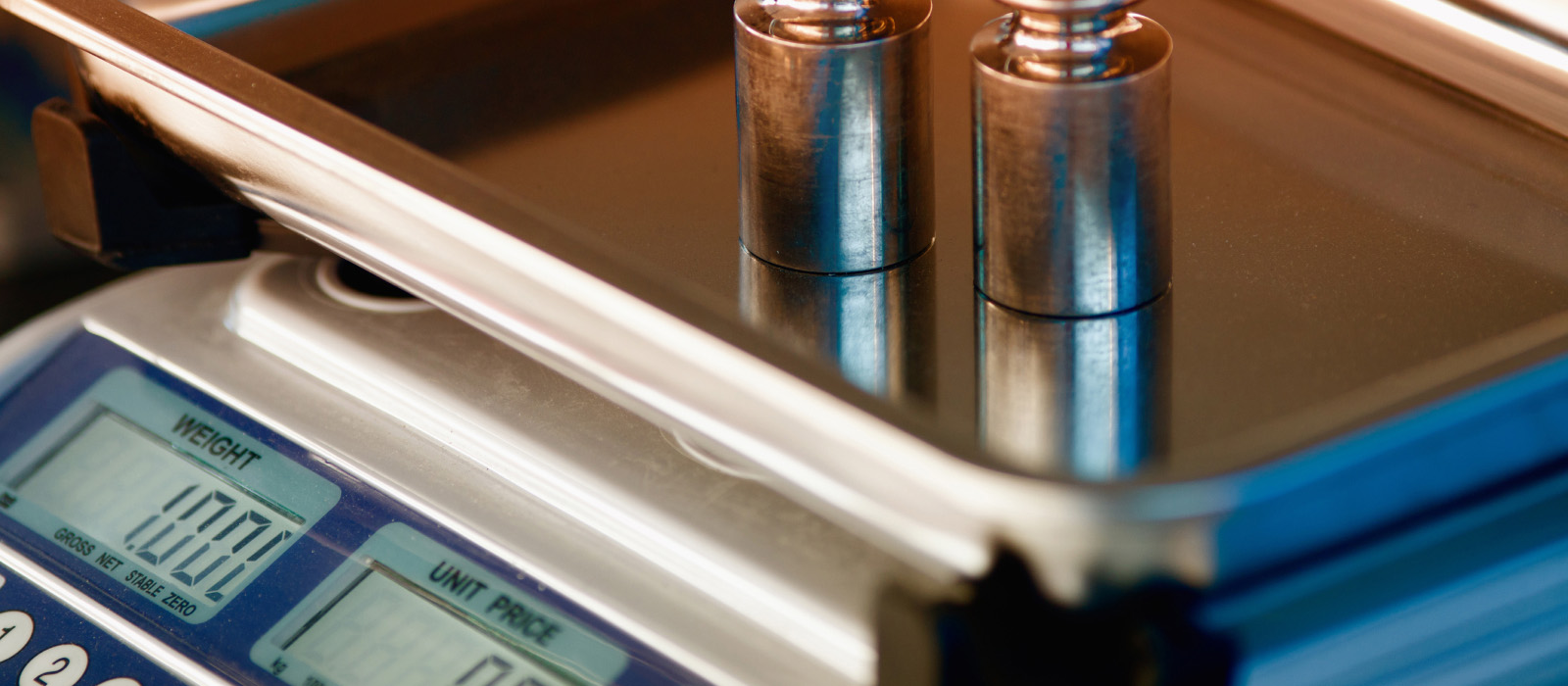
Weed can be measured in different ways — for example, by weight, volume, or price. You may be surprised by just how many different measurements of weed exist in the cannabis industry. These different terms can be used in different areas of the world or even in the same state.
When you’re out and about, shopping for your weed, you may notice some terms popping up. Each of these measurements of weed is for different purposes. These different measurements can also be used while referring to concentrates such as wax.
Understanding the different measurements of weed and knowing how to use them properly will help you make more informed purchasing decisions.
If you ever have any questions, please ask your local Callie’s Budtender for more information. They are always happy to help.
What are some of the essential measurements of weed?
If you’re new to cannabis and are wondering what measurements of weed mean, here’s a quick guide to the most common measurements you’re likely to come across.
Gram -A gram is a unit of weight, and it’s also used to measure the amount of marijuana you would buy or sell. It’s the weight that most individuals purchase when trying to get high for the first time, and it’s an excellent place to start if you’re unsure about how much weed you want to buy at once. A gram is usually the smallest amount one can purchase at a dispensary. You’ll often purchase concentrates by the gram.
Eighth- An eighth is equal to 3.5 grams, or a little over 1/8th of an ounce. A single eighth can be rolled into 7 or 8 joints, depending on the size of your joint-rolling skills. An eighth can also be used to make two blunts (a blunt refers to cigar wraps around cannabis). Finally, one eighth can make several edibles—if you’re serious about your edibles game!
Quarter - A quarter is 7 grams and ¼ of an ounce.
Half or a half Ounce- A half weighs 14 grams (1/2 Ounce). You can also think of the half as two quarters.
Ounce- The ounce is one of the most common measurements of weed. An ounce is equal to 28 grams, or about the weight of two limes. Often you will see specials on ounces in dispensaries. When ordering from your local Callie’s, you will see options of buying by the gram, eighth, quarter, half an ounce, or ounce.
Pound- If you want to be specific about the weight of your weed, a pound is 16 ounces and weighs precisely 453.6 grams. A pound is also known as 454 grams.
Kilogram-The kilogram (kg) is the most common measurement of weed for large-scale marijuana transactions. A kilogram contains 1000 grams and can be converted to other units using the following equivalents: 1 kg = 2.2 pounds (lb), 1 kg = 35 ounces
Slang Terms for Different Measurements of Weed
If you’re new to marijuana culture, knowing what slang measurements of weed mean can be tricky. The language is constantly evolving, so there are probably a few that haven’t been covered here—and there may even be some that are no longer used by the time you read this.
Here’s an overview of some slang measurements of standard weed terms, their origins, and how they’re used today:
Dub- Dub is a slang term for two grams of weed. This amount is a bit less than an eighth of an ounce, which makes it a relatively small amount. Dub can be enough to get you stoned for a weekend, but it will not last you long either.
Dub Sack- Dub sack sometimes referred to as a quiff or d-bag#—a slang term for $20—is used to describe a small amount of cannabis. Generally speaking, a dub sack will contain about 2.5 grams.
A slice- A slice is a common term for 1/16th of an ounce (1.75 grams).
Zip- Zip can refer to a small amount of weed or up to a half-ounce. It’s a term used in all parts of the United States and is pretty straightforward—a zip is just about how much weed you can fit into your pocket.
Nickel- Nickel is an amount of weed that is about the size of a nickel. It’s also called “nickel bags.”
Joint- A joint is a small-sized spliff rolled using rolling papers often made up of a gram or two.
Blunt- A blunt is formed by rolling up tobacco leaves with marijuana in them. Blunts are larger than bowls and joints.